Hair Salon Scheduling Tips to Reduce No-Shows and Rebook Clients
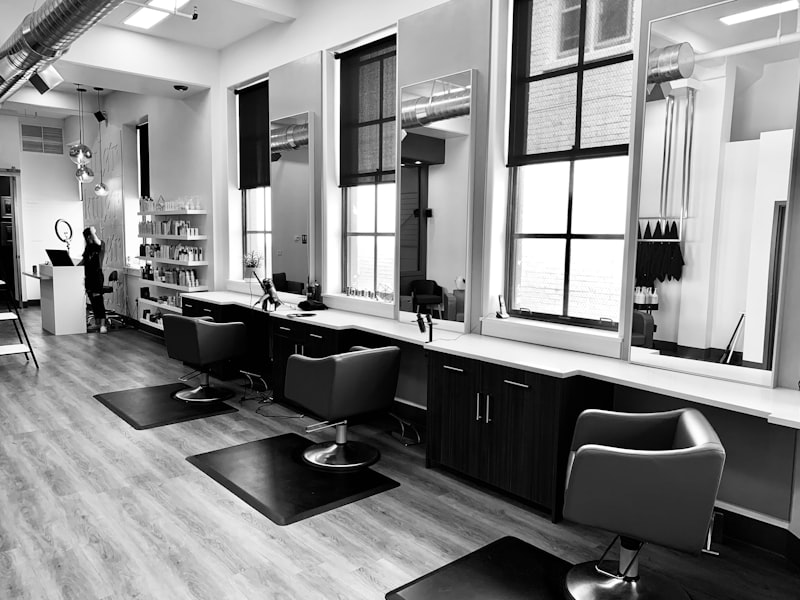
Straightforward hair salon scheduling ideas for buffers, reminders, and rebook prompts so your book stays full and clients know what to expect.
The real cost of weak hair salon scheduling
An empty hour in a busy salon is not just lost revenue. It is a stylist standing ready, color mixed, and energy spent reshuffling the day. Hair salon scheduling is less about fancy tools and more about clear rules: how long services really take, how much flex you leave between appointments, and how you confirm people without sounding robotic.
Build buffers that match the work
Color corrections, extension moves, and first-time guests need more than a default slot. Tag services in your system so the book reflects reality. When hair salon appointment booking online shows the wrong length, clients blame you for running late even when you did nothing wrong. Start with accurate timing for your top twenty services before you tweak marketing.
Confirmations that feel human
Automated reminders help, but tone matters. A short text that names the stylist, the day, and the rough window for arrival cuts confusion. If you use salon appointment reminders, pair them with an easy reply path for legal reschedules. The goal is fewer ghosted chairs, not more angry texts.
Rebook before checkout, every time
Train stylists to offer a specific date, not "come back soon." If roots are six weeks, say it. If a toner refresh is four weeks, book it. Front desk should hear a handoff: service done, next visit named, reason given. That habit alone lifts hair salon client retention without a new loyalty program.
Pro tip
Keep a three-line script at the mirror for busy Saturdays: compliment, next-visit timing, one sentence on retail only if it solves a problem they mentioned.
No-shows: policy before drama
Write a cancellation policy you can enforce calmly. Post it where people book, repeat it at new-client intake, and apply it evenly. Fair rules protect stylists and regulars who actually show up. If you waive fees, do it as a choice, not because the policy was never real.
Checklist for the next quiet hour
- Spot-check three random days: do finish times match what actually happened?
- Read your reminder copy out loud: would you reply?
- Ask each stylist for one service that always runs long and fix the default.
- Track no-shows by time of day; patterns show where to tighten policy or staffing.
Tight hair salon scheduling makes the whole team look professional, not rigid. Want help setting this up? Start free at servista.ai.
Related Articles

Turning First-Time Clients into Regulars: Essential Tactics for Home Trade Businesses
Learn practical strategies for home trade businesses to convert first-time clients into regulars, enhance client retention, and boost your bottom line.

Buffer Times and Turnovers: Maximizing Efficiency in Home Trades Scheduling
Discover how to enhance your home trades business scheduling by efficiently incorporating buffer times and turnovers, while maintaining a client-friendly approach.

Streamlining After-Hours and Overflow Calls in Home Trades: A Comprehensive Guide
Discover effective methods to manage after-hours and overflow calls in home trades businesses. Enhance customer service and capture more leads with strategic call handling.

Streamlining Home Trades Services: A Practical Guide to Revenue Design
Discover how to enhance your home trades business revenue with effective packages, memberships, deposits, and upsells. Learn practical strategies for growth.

Price Anchoring for Add-Ons: How Home Trades Businesses Can Boost Average Ticket Value
Uncover practical strategies for price anchoring add-ons to boost your home trades business revenue. Learn how to present, price, and position your add-ons for maximum impact.

Leveraging Membership Pricing to Boost Revenue in Home Trades Services
Discover how to design and implement membership pricing in your home trades business to increase recurring revenue and client loyalty.